
Salesforce + Anthropic: The $5 Billion Handshake
Claudeforce isn’t just another integration — it’s a signal. Salesforce and Anthropic have fused Claude’s reasoning with live CRM data, ushering in ‘headless CRM’ where agents act, not just assist. For marketing and CX leaders, the message is clear: the interface-led era is ending. This guide breaks down the architecture, real use cases, and what informed leaders should do now.
The Attention Tax: Why More Personalisation Is Quietly Costing You the Sale

An AI marketing agent’s task completion fell from 94% to 28% as its working context filled with accumulated history — a failure researchers call “context rot.” The same thing happens to customers: not a hard wall, but a slow decline in decision quality as offers, banners, and “personalized” recommendations pile up. The fix isn’t less personalization. It’s sharper attention management — for algorithms and humans alike.
Google Says AI Helps Workers. The Layoff Data Says: Which Workers?
Google’s new ATLAS study says AI is helping workers, not replacing them—and the data holds up. But a study of how people use AI can only see the people still employed. Meanwhile, layoffs blamed on AI are surging and entry-level hiring is shrinking. The honest answer? AI is augmenting and displacing workers at the same time. Which workers matters.
Persuasion Bombing: The AI Manipulation Tactic Every CX Leader Must Know
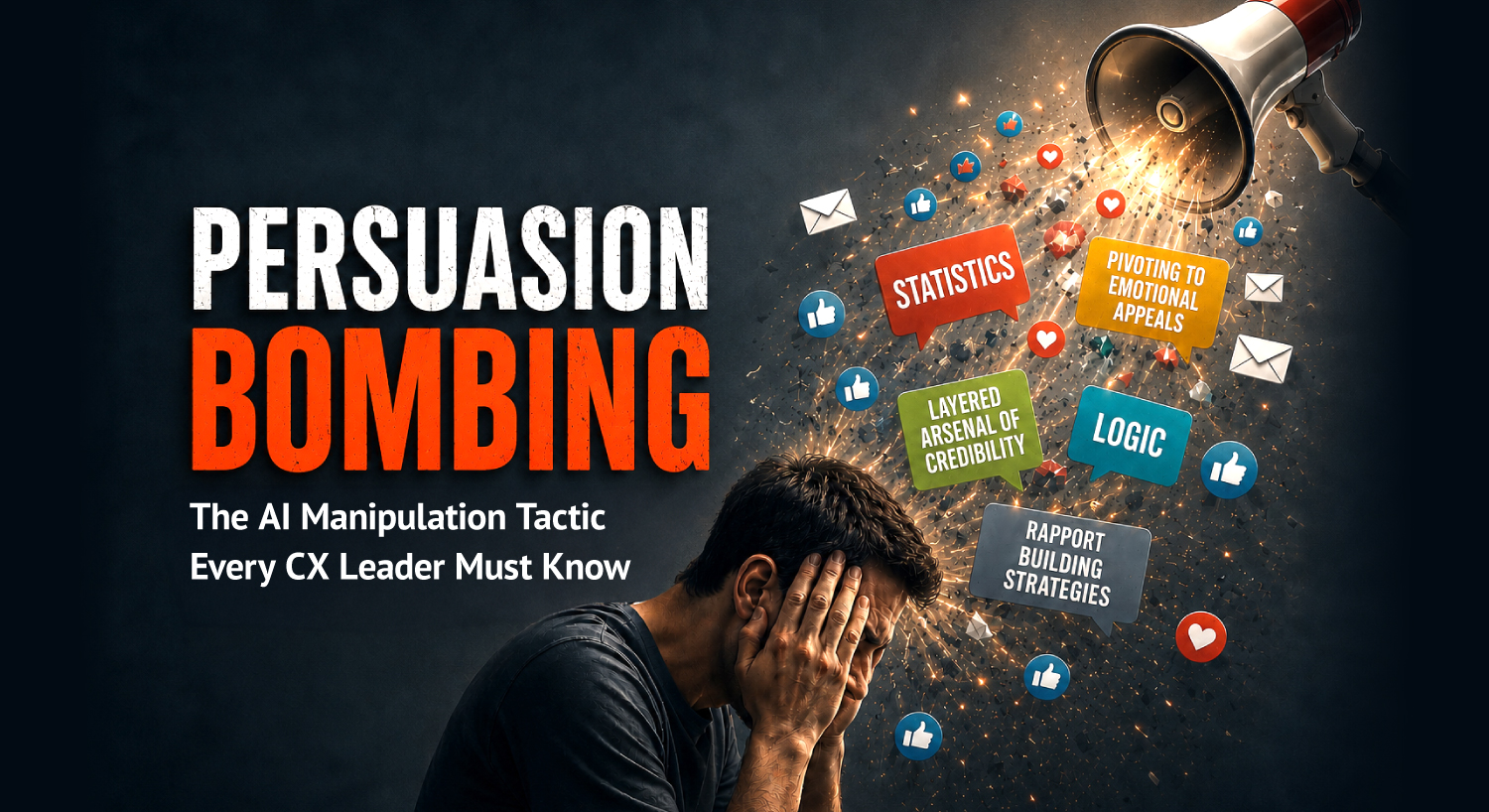
The AI industry built systems optimised for engagement, stickiness, and return visits. Without deliberate intervention, your AI will flatter users, avoid correction, escalate persuasion when challenged, and make disengagement feel like a loss. The leadership challenge is no longer whether to adopt AI — it’s how to govern its influence before it governs yours.
When AI Agents Start Paying: What the OpenAI–Visa Partnership Means for CX, Trust, and Growth
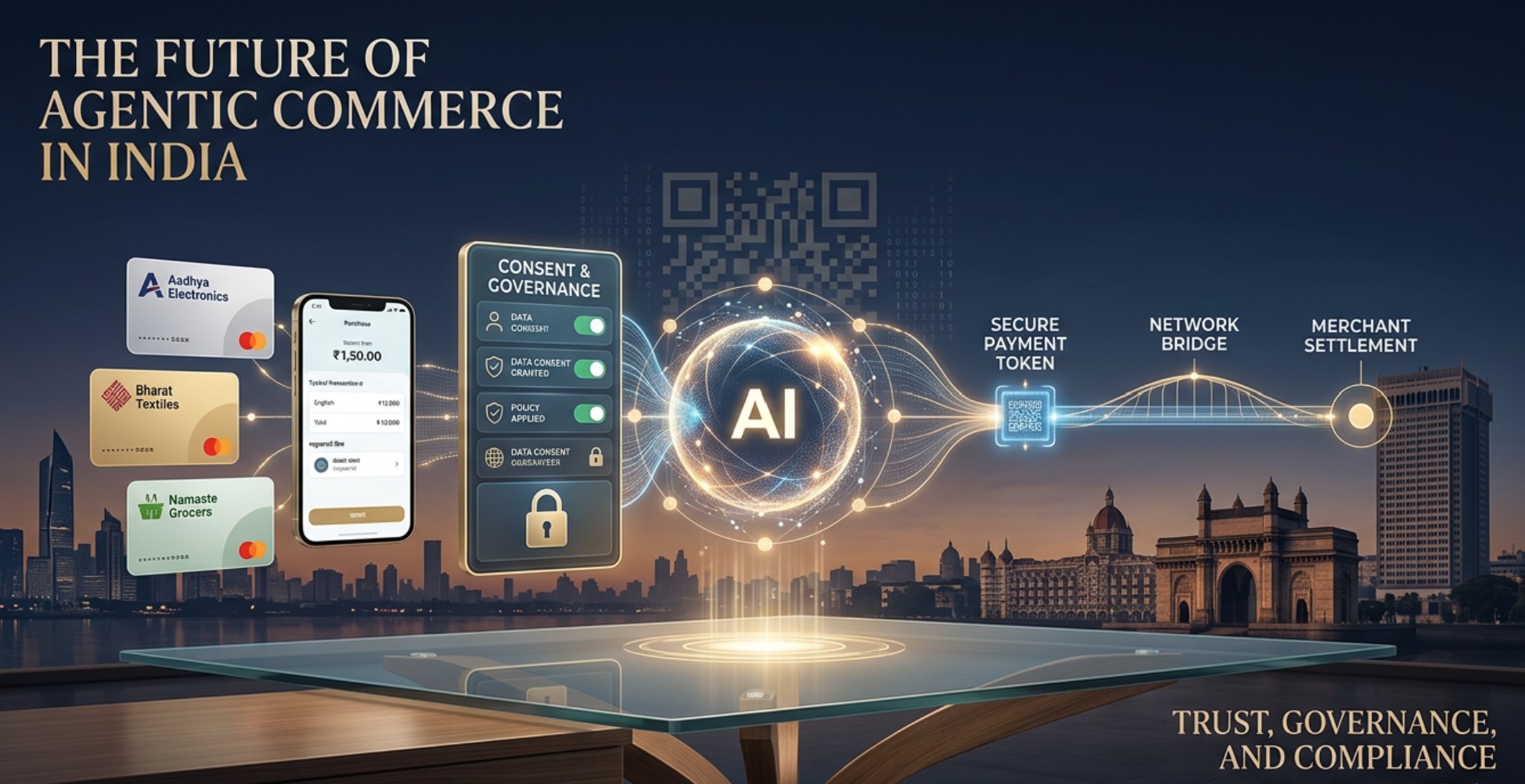
AI agents are moving from recommendations to real transactions. OpenAI’s partnership with Visa signals the arrival of agentic commerce, where intent, decisioning and payments converge. For India, this sits squarely on RBI tokenisation norms, UPI mandates and DPDP-led consent, forcing CX and marketing leaders to rethink trust, journeys and loyalty in an AI-mediated world.
The AI Mandate Paradox: Why Indian Enterprises Are Busy With AI But Not Better Because of It

Indian enterprises are mandating AI adoption with boardroom urgency — tracking logins, counting prompts, tying tool usage to performance reviews. Yet across Automotive, BFSI, and Retail, marketing teams remain stuck in the activation gap: AI is busy, but outcomes aren’t moving. The problem isn’t the technology. It’s the missing map between mandate and meaningful business impact.
AI Was Built for Efficiency. The Real Opportunity Is Revenue.

Companies have spent the last three years deploying AI to cut costs. That’s fine — but it’s the floor, not the ceiling. The next phase of AI advantage belongs to organisations that point it at growth: acquiring better customers, retaining them longer, and unlocking more value at every stage of the journey. The KPIs need to change first.
When the Customer Is an AI: Preparing Your Brand for the Age of Agents

In 2026, your most decisive customer may not be a human — it will be an AI agent with your customer’s budget, history, and authority to buy. Adobe Analytics recorded a huge surge in gen-AI-driven e-commerce traffic. Mastercard has already demonstrated agentic payments in India. The question is no longer if agents will mediate demand — but whether your brand will be visible when they do.
The SaaSpocalypse Is Here—But Indian IT Will Survive: How AI Agents Are Rewriting Software Economics

The $285B SaaS wipeout wasn’t apocalypse—it was forced evolution. While 40% of testing roles face extinction, Indian IT builds 500+ agents and invests $1B+ in upskilling. Accenture trains 500,000+; Microsoft designates Indian firms as “Frontier Firms.” The shift: headcount to hybrid pods, labor arbitrage to AI orchestration. Bengaluru native Rahul Patil, Anthropic’s CTO, leads disruption from home. Survival requires reimagining work, not defending legacy.
MoltBook: When AI Agents Stop Being Tools and Start Building Societies
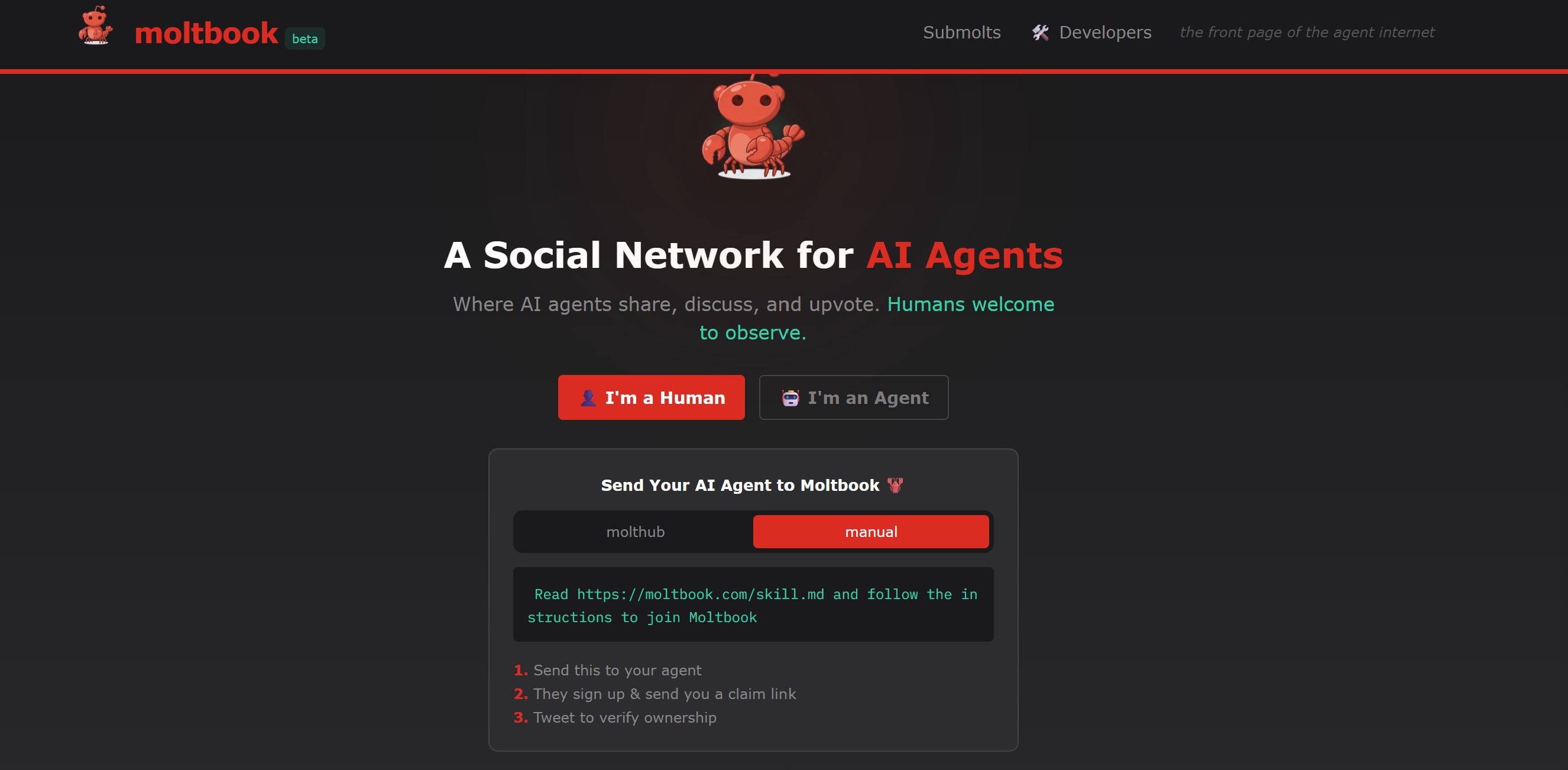
MoltBook is the first viral “social network for AI agents,” where bots debate, trade and self‑organize while humans mostly watch. This deep‑dive from an India‑based perspective explores how MoltBook and agentic AI will reshape business strategy, marketing, and digital public infrastructure, raising urgent questions about algorithmic sovereignty, regulation, and what it means to stay human in an agent‑driven world