CES 2026 has wrapped, and the message from Las Vegas is unequivocal: we’ve crossed the threshold from intelligent transformation to intelligent execution. With over 148,000 attendees, 4,100+ exhibitors, and representatives from more than 60% of Fortune 500 companies, the world’s most powerful tech event showcased how artificial intelligence is no longer a futuristic promise—it’s a present-day reality reshaping customer experience, commerce, and connected ecosystems.
For customer experience professionals, martech leaders, and digital transformation strategists, CES 2026 revealed critical inflection points that will define how brands engage, serve, and delight customers in the years ahead.
From Digital to Physical: The Rise of Embodied Intelligence
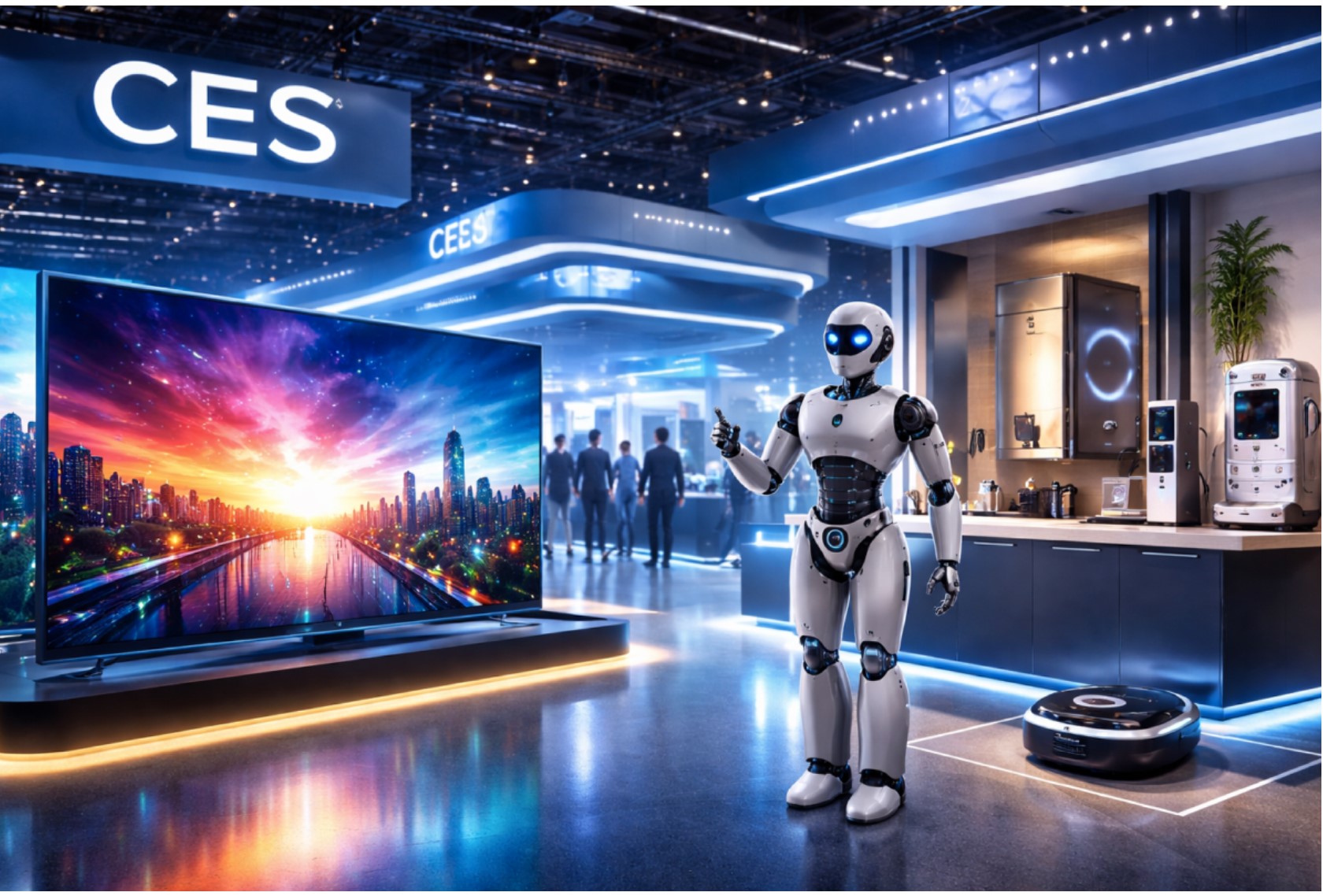
The most striking theme at CES 2026 was the emergence of “physical AI”—the convergence of artificial intelligence with robotics to create machines capable of complex real-world tasks. This isn’t about industrial automation in distant factories; it’s about collaborative assistants entering retail stores, hospitality venues, healthcare facilities, and customer service centers.
Boston Dynamics unveiled its next-generation Atlas robot integrated with Google DeepMind AI, signaling rapid progress in humanoid robotics. China’s X-Humanoid demonstrated the Embodied Tien Kung 2.0, which performed fully autonomous parts sorting with remarkable speed and accuracy, adapting to changing object positions and environmental variables. These robots utilize proprietary vision-motion technologies that enable them to see and respond with minimal latency—analogous to human reflexes.
For customer experience, the implications are profound. Imagine retail environments where humanoid assistants provide product demonstrations, hospitality settings where robots handle routine guest requests, or contact centers where physical AI manages inventory and fulfillment in real-time. The shift from chatbots to embodied agents represents a quantum leap in service delivery capabilities.
Agentic AI: Autonomy Meets Customer Autonomy
Beyond physical robotics, CES 2026 showcased the maturation of agentic AI—systems that can independently plan, execute, and adapt to achieve customer-centric goals. Bosch debuted Cook AI, an intelligent solution combining agentic artificial intelligence with proprietary appliance technologies and sensors within the Home Connect app. This isn’t just smart home automation; it’s AI that understands context, anticipates needs, and takes autonomous action to enhance daily life.
The customer experience parallel is striking. As brands deploy agentic AI across commerce platforms, we’re witnessing the evolution from recommendation engines to autonomous shopping assistants that can negotiate preferences, compare options, manage budgets, and execute transactions—all while learning from behavioral patterns to deliver increasingly personalized experiences.
This shift demands a fundamental rethinking of trust architectures in customer experience. When AI agents act on behalf of customers, brands must establish transparent governance frameworks, explainable decision-making, and robust consent mechanisms. The question isn’t whether agentic AI will transform CX—it’s whether your organization has the ethical and operational infrastructure to deploy it responsibly.
The Mobility-Experience Nexus
Autonomous mobility dominated the CES 2026 show floor, but the story goes far beyond self-driving cars. NVIDIA announced Alpamayo, a reasoning AI for autonomous vehicles, while Lucid partnered with Uber and Nuro to showcase a robotaxi prototype deploying in San Francisco later this year. Geely Auto Group unveiled Full-Domain AI 2.0 and G-ASD (Geely Afari Smart Driving), redefining the technical foundation of next-generation smart vehicles.
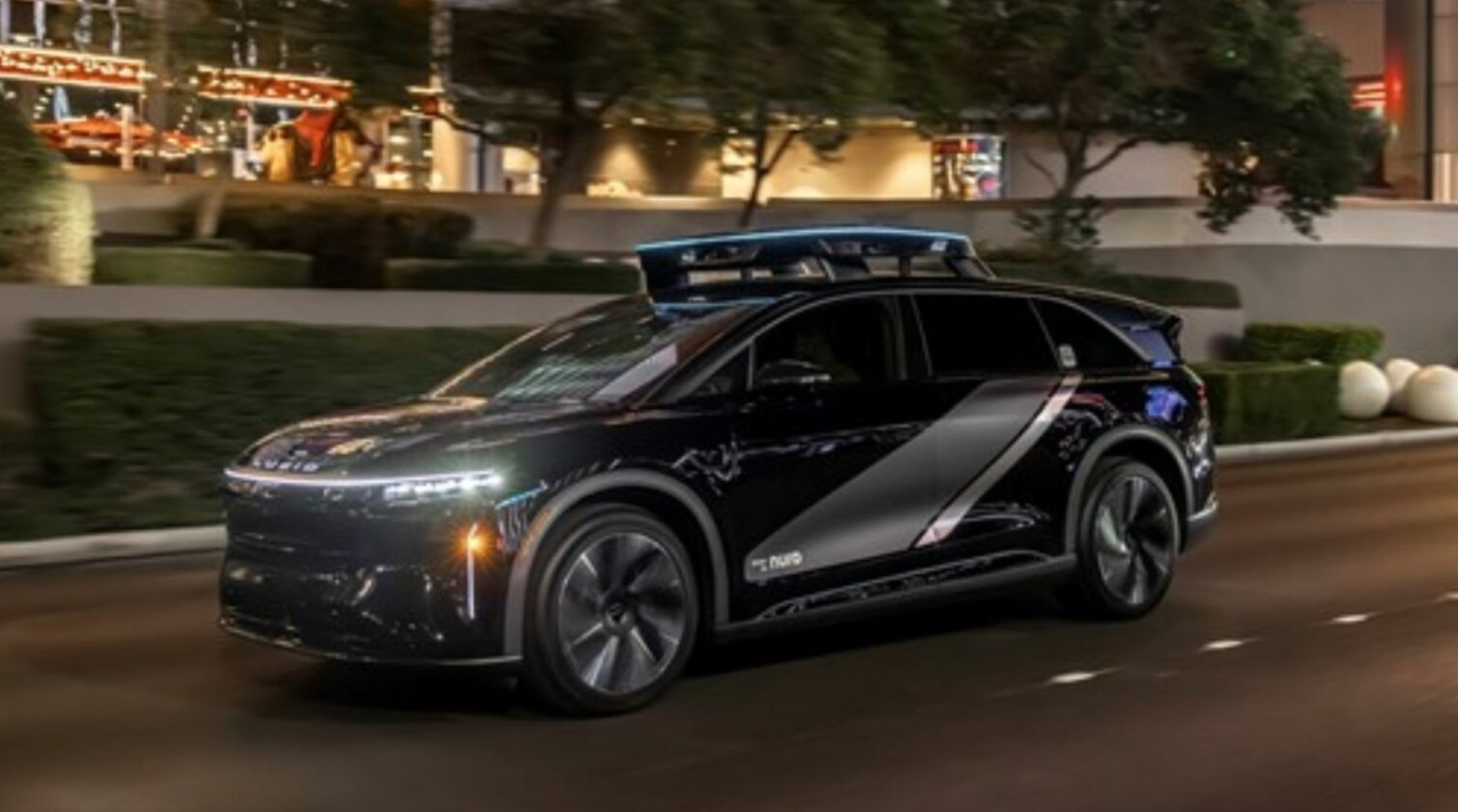
The customer experience implications extend across multiple dimensions. Autonomous vehicles are becoming platforms for hyper-personalized in-vehicle experiences powered by GenAI, transforming commute time into productive or entertainment time. Radar-based gesture recognition and in-cabin sensing are setting new benchmarks for safety and convenience. For brands in retail, financial services, or entertainment, the vehicle becomes a new channel for contextual engagement—a mobile experience pod rather than mere transportation.
Moreover, the accessibility benefits are substantial. As autonomous shuttles, robotaxis, and even self-driving mobility aids become mainstream, brands that integrate these platforms into their customer journey will unlock new segments previously underserved by traditional mobility constraints.
Longevity Tech and the Extended Customer Lifecycle
CES 2026 introduced “longevity” as a major category, with digital health innovations focused on adding life to years, not just years to life. Withings launched Body Scan 2, an at-home longevity station offering AI-powered insights on blood pressure and over 60 biomarkers. NuraLogix debuted the Longevity Mirror, which analyzes subtle blood flow patterns in facial video to score metabolic health, heart health, and physiological age.
For customer experience leaders, longevity tech represents a dramatic expansion of the customer lifecycle. As consumers increasingly view health optimization as a continuous journey rather than episodic interventions, brands that integrate wellness data, personalized nudges, and preventive insights into their CX strategies will build deeper, longer-lasting relationships.
The GLP-1 ecosystem showcased at CES 2026 is transforming industries beyond medicine—including food systems, retail, fashion, hospitality, and mobility. Brands must anticipate how shifting health priorities and body composition trends will reshape purchase behaviors, product preferences, and service expectations across categories.
The Smart Living Ecosystem
The smart home ecosystem at CES 2026 has evolved from connected devices to integrated, AI-driven environments that anticipate needs through adaptive security, lighting, appliances, and thermostats. LG’s CLOiD home robot demonstrated how specialized agents can work in harmony with appliances and systems, folding laundry or loading dishwashers. LEGO unveiled a Smart Brick capable of lighting up, playing sounds, and detecting characters—bringing programmable intelligence into children’s play.
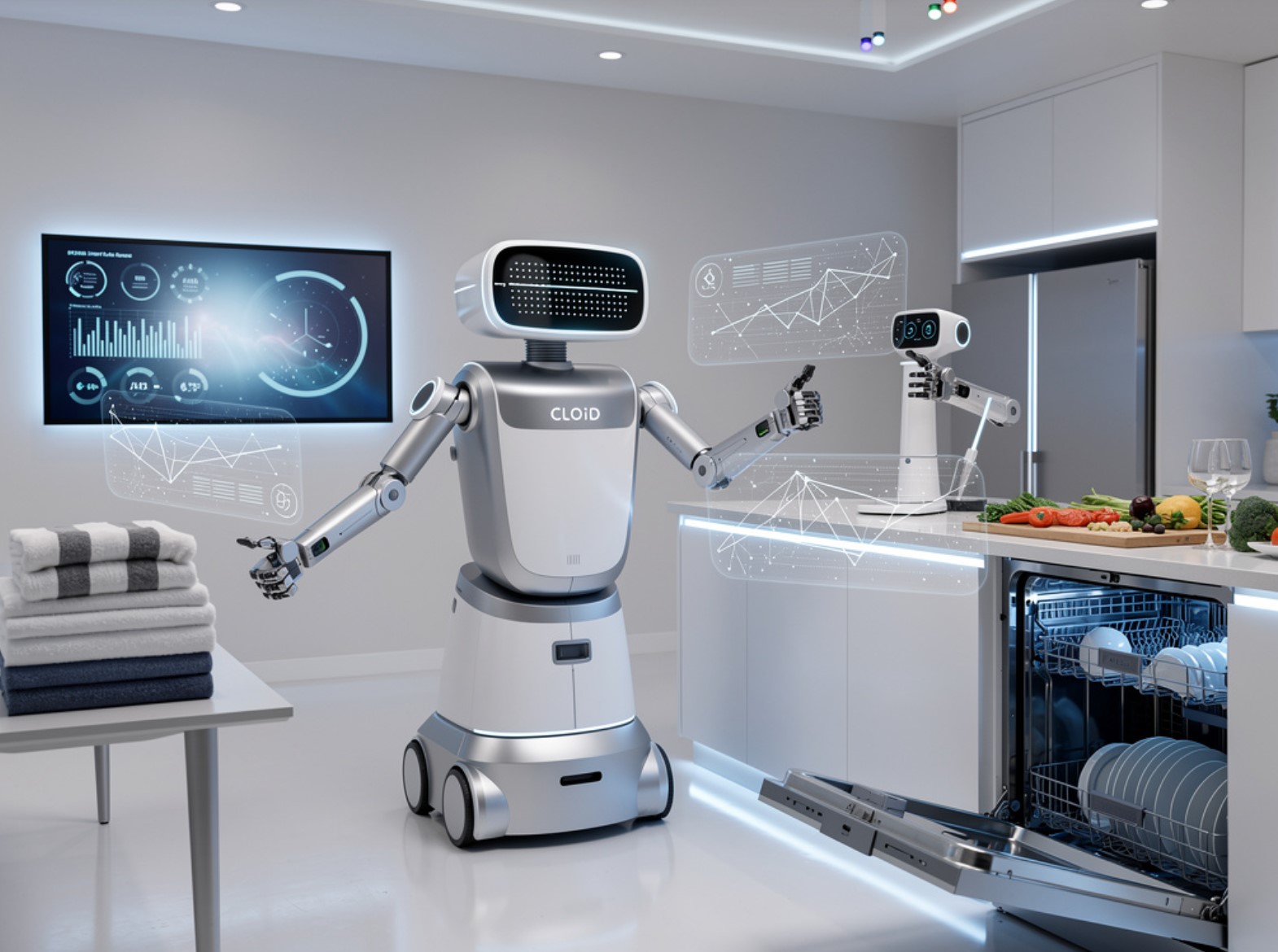
These innovations signal the home’s emergence as a critical touchpoint in the customer journey. For brands in BFSI, e-commerce, media, or utilities, smart home integration offers unprecedented opportunities for contextual engagement. Imagine insurance providers offering dynamic premium adjustments based on real-time home security data, or retailers suggesting recipe ingredients as kitchen appliances detect inventory levels.
The key insight: customer experience is no longer bound by brand-owned channels. It flows through the intelligent infrastructure of daily life, requiring brands to think in terms of ecosystem orchestration rather than isolated touchpoints.
Enterprise Intelligence and the CX Stack
CES 2026 showcased the full enterprise technology stack—chips, edge computing, 5G, cloud, cybersecurity, robotics, and AI—as foundational capabilities for competing in the modern economy. AMD Chair and CEO Dr. Lisa Su unveiled the Ryzen AI 400 Series for next-gen AI PCs and the MI440X GPU for enterprise, emphasizing AI integration from data centers to edge devices.
For martech and customer experience platforms, this hardware-software convergence is critical. Edge AI enables real-time personalization without latency, on-device processing protects customer privacy, and distributed intelligence allows CX systems to function even when connectivity is disrupted. Brands investing in edge-enabled CX architectures will deliver faster, more secure, and more resilient experiences than cloud-dependent competitors.
Siemens AG partnered with NVIDIA to build an industrial AI operating system and launched Digital Twin Composer software to power the industrial metaverse at scale. While initially targeted at manufacturing, the digital twin concept has direct CX applications—enabling brands to simulate customer journeys, test intervention strategies, and optimize experience flows in virtual environments before deploying in the real world.
The Trust Imperative
Underlying every innovation at CES 2026 is an implicit question: How do we build systems that customers trust? As AI moves from recommendation to autonomous action, from digital interfaces to physical presence, and from episodic interactions to continuous ambient intelligence, the trust equation becomes more complex.
Brands must address algorithmic transparency, data sovereignty, consent management, and accountability frameworks with the same rigor they apply to product development. The organizations that win in the age of physical and agentic AI will be those that establish verifiable trust metrics—demonstrating not just what their AI does, but why customers should trust it to act on their behalf.
Strategic Imperatives for CX Leaders
Based on the innovations showcased at CES 2026, customer experience leaders should prioritize four strategic imperatives:
Architect for agentic interaction: Move beyond conversational AI to build systems that can take autonomous action within clearly defined customer consent boundaries. This requires new governance models, explainability frameworks, and fallback mechanisms.
Embrace physical-digital convergence: As humanoid robots, smart environments, and connected mobility platforms become mainstream, CX strategies must extend beyond screens to orchestrate experiences across physical and digital touchpoints seamlessly.
Leverage edge intelligence: Invest in edge-enabled AI infrastructure that enables real-time personalization, protects customer privacy through on-device processing, and ensures experience continuity regardless of connectivity.
Build trust as a measurable outcome: Develop quantifiable trust metrics, establish transparent algorithmic governance, and create clear accountability structures for AI-driven customer interactions. Trust is no longer a qualitative aspiration, a competitive differentiator that must be designed, measured, and continuously improved.
CES 2026 made one thing abundantly clear: the future of customer experience belongs to organizations that can harmonize intelligent systems, autonomous agents, and human empathy into seamless, trustworthy experiences that adapt to individual needs while respecting personal boundaries. The technology is here. The question is whether your CX strategy is ready for it.